
When I started, I discovered that talking about "spin," "swing speed," or "slice" sounds very technical for the first month. In my case, it didn't make sense to obsess over it: distance depended more on how I hit the ball than on its construction. What I did notice right away was the sensation of the hit. If the ball feels like stone, it doesn't encourage you to loosen up your swing; if it's like gum, it doesn't inspire confidence either.
Therefore, for beginners, three things should be prioritized: intermediate sensation (neither too hard nor too soft), durability and price (You're going to lose balls; better something that can withstand wear and tear and doesn't hurt to replace) and visibility (Balls with a line of impact or bright colors). I also recommend repeating. a single model for a while: the body learns faster with consistent feedback.
How to choose your first ball (what really matters at the beginning)
Start with a ball that feels right for you pleasant to the touch And don't let it punish you for your mistakes. Forget the jargon at first and stick with these simple ideas:
Intermediate feel on putts and short irons.
Sufficient durability for practice and rounds without changing the ball every two holes.
Good price per dozen; focus on improving, not pampering the ball.
High-visibility color or alignment guide if it helps you with putting.
In my first few laps, the distance was determined by... good that it was the impact, not the construction of the ball. That's the key.
Tangle-free layers and covers: 1–2 vs 3+ and when it affects you
1–2 pieces (ionomer/Surlyn). They are harder, very durable, cheaper, and tend to fly straight with less side spin. On the other hand, in the short game (approach, chip, putt) it is more difficult to stop and direct the ball with finesse.
3 pieces or more (many with urethane). They improve the control on the green And the "touch" on short strokes, but they do increase the price somewhat. If your touch is very inconsistent, you might not notice the full difference yet.
At first, I didn't notice the five layers as a difference; but when I started enjoying the approach, the chip, and the putter, I realized that Less than three layers penalized me the control.
5-minute test to guess the sensation
Practice at home with a mat or on the putting green. Two models, alternating:
Putt to 2-3 meters: which one gives you the least effort to hit the target line?
10–15 meter chip: which one rolls more predictably and stops where you expect?
Ear and hands: look for a sound and touch repeatable. If you're unsure, choose the one that feels right. intermediate and line up your putts smoothly.
Distance vs. control: real priorities at the start
In the first few months, prioritize trust and integrity. A ball that forgives side throws and provides clear feedback will help you progress faster. Later on, when you start to touch green usually, the short control It's worth more than scraping together an extra 2-3 meters off the tee. In my case, the big change came when I started enjoying my short game; before that, a ball with less than 3 layers began to limit me.
Recommendations by profile (slow/medium swing, budget and durability)
Slow swing + tight budget. Look for soft balls of low compression and good durability. You'll notice a pleasant feel and less punishment for mistakes.
Medium swing and you'll already be enjoying the green. Proof 3 pieces or covered urethane at a good price: they will help you better stop approaching aircraft without increasing the cost.
You need help viewing/aligning. High-visibility colors or models with alignment guide In putting, they can give you several fewer putts per round.

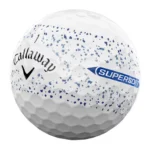
Callaway Supersoft
Low compression and a gentle feel. Ideal for starting with confidence and keeping the ball in play.
See on Amazon
Srixon Soft Feel
Balanced feel, distance, and stable flight. Excellent as a single ball for learning for months.
See on Amazon
TaylorMade Distance+
Designed for distance racing, with a reasonable price and good durability for practice and laps.
See on Amazon
Bridgestone e6
Designed to reduce side spin and help straighten outs. Pleasant feel on slow swings.
See on Amazon
Titleist TruFeel
Careful feel on putts and chips with predictable flight, perfect for strengthening the short game.
See on Amazon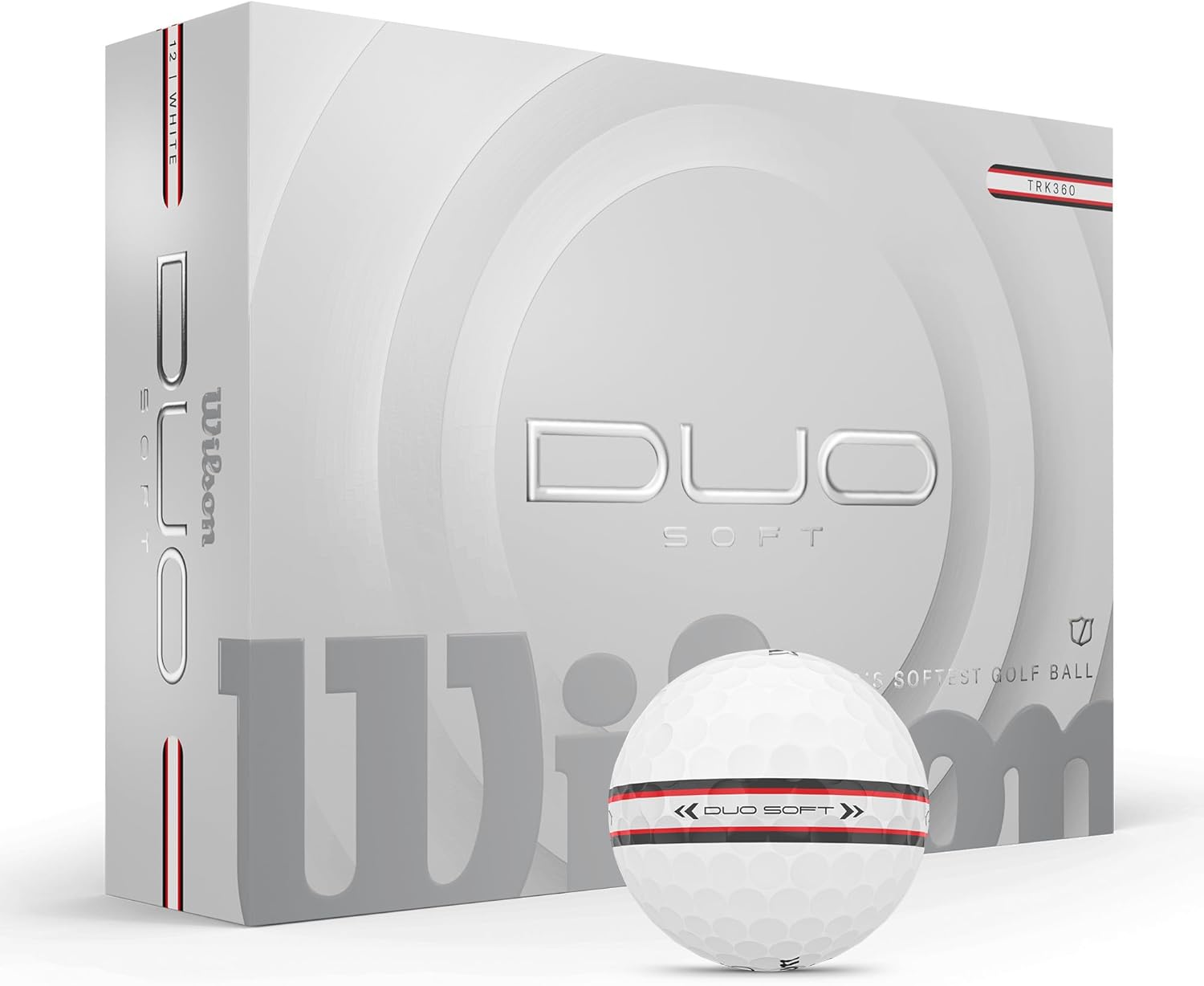
Wilson Duo Soft
Among the softest on the market; very pleasant feel for slow swing and confidence off the tee.
See on AmazonWhen to make the jump to 3 layers
Change when you start to leave approach on the green regularly, when you need a chip brake 1–2 meters before and when in putt You feel you lack finesse with hard balls. If you're already doing 2-3 up-and-down shots per turn and your contact with wedges is stable, you'll benefit from a 3-piece or urethane ball.
New, used, or lake balls: pros and cons
New. Consistency and intact cover.
Used “Grade A/AAA”. Excellent value for money for training.
From the lake/recovered. Very cheap to start with, but watch out for water absorption and microdamage. Check for visible cuts, uniform shine, and that the ball rolls straight on a smooth surface. Avoid highly mixed batches if you want consistent feedback.
Quick Questions (FAQ)
Does compression matter if I'm just starting out? It matters, but don't obsess over it: aim for medium smoothness and let your swing gain consistency.
Ionomer or urethane for the first few months? Ionomer by durability and price; When the short game demands more control, consider urethane/3 pieces.
When do I go from 2 to 3 layers? When the short game Start commanding: you'll see better braking and more precision around the green.
Does color really help? Yes, it reduces search time and improves alignment in putting if the ball has visual guidance.
So that…
For a beginner, the ideal ball is the one that gives you trust and consistent feedback. Start with one option soft-medium, long-lasting and visible; when the short game takes center stage, skip to 3 layers. I always preferred that middle ground—neither rock nor chewing gum—and confirmed that my distance came from how well I hit the ball, not the construction. The real change came when I started enjoying short shots; then, anything less than three layers penalized me.